How to Choose a Custom Home Builder in South Florida
A custom home is built over many months with a team you will deal with almost daily, and a large share of your money is committed before you see the result. Choosing the builder is therefore the decision that shapes the rest. This guide gives you a practical way to vet one in South Florida: how to verify the license, what to ask about insurance, how to look at completed work, how contract types differ and which questions reveal how a builder actually operates.
Start by verifying the license
In Florida, contractors are licensed by the Department of Business and Professional Regulation (DBPR). You can search any license on the DBPR website at myfloridalicense.com, using the person’s name, the business name or the license number. Do not rely on a number printed on a brochure or a truck: look it up yourself and read what it says.
Check four things. Is the license active and current? Does the license type fit the work? Florida has certified contractors, licensed by the state to work anywhere in it, and registered contractors, who are licensed at the local level for particular jurisdictions, and there are different categories such as general contractor and residential contractor. Does the license belong to the company that will sign your contract, or to a qualifier whose connection to that company you should understand? And is there any disciplinary history?
Do the same for the architect and the engineer of record, and ask which licensed professionals will be responsible for the structural design and for each trade. Unlicensed contracting is a serious problem in construction, and it can leave an owner without recourse or insurance protection.
Insurance, liens and the paper trail
Ask the builder for current certificates of insurance, and have them sent directly by the insurance agent so that you know they are real and up to date. You want to see general liability coverage and workers’ compensation, or a valid exemption, and ask how subcontractors are covered. Builder’s risk insurance, which covers the project during construction, is a separate policy, and you should know who buys it and what it covers. Your own insurance agent can help you read these.
Learn how Florida’s construction lien system works before you sign. In general, a recorded Notice of Commencement starts the process, and subcontractors and suppliers who are not paid can have lien rights against the property even if you paid the builder. Ask how the builder handles payments to subcontractors, and request lien releases with each payment. A real estate attorney can explain the details and review the contract.
Good builders welcome these questions. A builder who is vague about insurance or irritated by lien releases is telling you something.
Look at completed homes and talk to owners
A portfolio shows what a builder can produce; references show how they behave. Ask for completed homes that resemble yours in size, style and site conditions, for example waterfront if you are building on the water, and visit one if the owner allows. Look at the details: joints and edges, door and window alignment, tile layout, how the mechanical rooms are organized and whether the outdoor areas drain well.
When you speak with past clients, ask practical questions. Was the schedule realistic? How were changes priced and communicated? How did the builder respond when something went wrong? What happened after move-in, and how fast did the team respond to a service request? Ask also whether they would hire the builder again, and what they would do differently.
Be careful with testimonials you cannot verify, and with photographs of homes that you cannot connect to the company. Ask which parts of a featured home the builder built, designed or only furnished.
Fixed price, cost-plus and everything between
In a fixed-price (lump-sum) contract, the builder commits to a total for a defined scope. It gives you a clear number, and it works best when the drawings and specifications are complete. The risk is a scope that is vague: unclear allowances or exclusions lead to disputes, and some builders price low and recover the difference through change orders.
In a cost-plus contract, you pay the actual cost of the work plus a fee, either a percentage or a fixed amount. It gives transparency and flexibility, which is useful for complex or evolving projects, but it puts more cost risk on you. If you choose it, ask for a guaranteed maximum price or a target budget, open-book accounting, a defined fee and a clear process for reporting costs.
Neither is better in every case. What matters is that you understand who carries the risk of unknown conditions, price increases and design changes, and that the contract states it plainly. Compare proposals on the same drawings and the same assumptions, and ask what is not included.
Allowances, change orders and schedule
An allowance is an amount for items you have not chosen yet, such as tile, fixtures, lighting and appliances. Ask how each one was set, and visit showrooms early to learn whether the number buys what you imagine. Low allowances are one of the most common reasons a proposal looks cheaper than it is.
A change order is a written agreement to alter the scope, price or schedule. The contract should say how changes are priced, including markup, who approves them and how they affect the schedule. Insist that no change is built until it is signed. This protects both sides and keeps the final cost predictable.
Ask for a written schedule with milestones, and for regular updates on what is ahead and what could delay it. Permit review, product lead times, weather and inspections are outside anyone’s complete control, so the useful question is how the builder communicates and recovers when the schedule moves. Link payments to completed stages, not to the calendar.
Communication, warranty and working in your language
You will spend a lot of time with this team, so test communication before you sign. Who is your main contact? How often will you receive updates, and in what form? Will you meet the project manager and site supervisor? Is the owner or principal of the company involved in the work, or only in the sale? Responsiveness during the proposal stage is usually a fair preview of what follows.
Ask for the warranty in writing: what is covered, for how long, what is excluded and how you request service after you move in. Manufacturer warranties on windows, roofing and equipment are separate and should be handed over at closeout. A builder who has a clear process for service after completion is thinking about your experience beyond the final payment.
In Miami and South Florida, language matters. Many owners, family members, architects and tradespeople work in Spanish, English or both. Technical drawings, contracts, selections and site conversations should be clear for everyone who has to decide or approve. If you prefer to make decisions in Spanish, ask whether the builder can do the project communication, including written updates, in Spanish.
How Barretos approaches the relationship
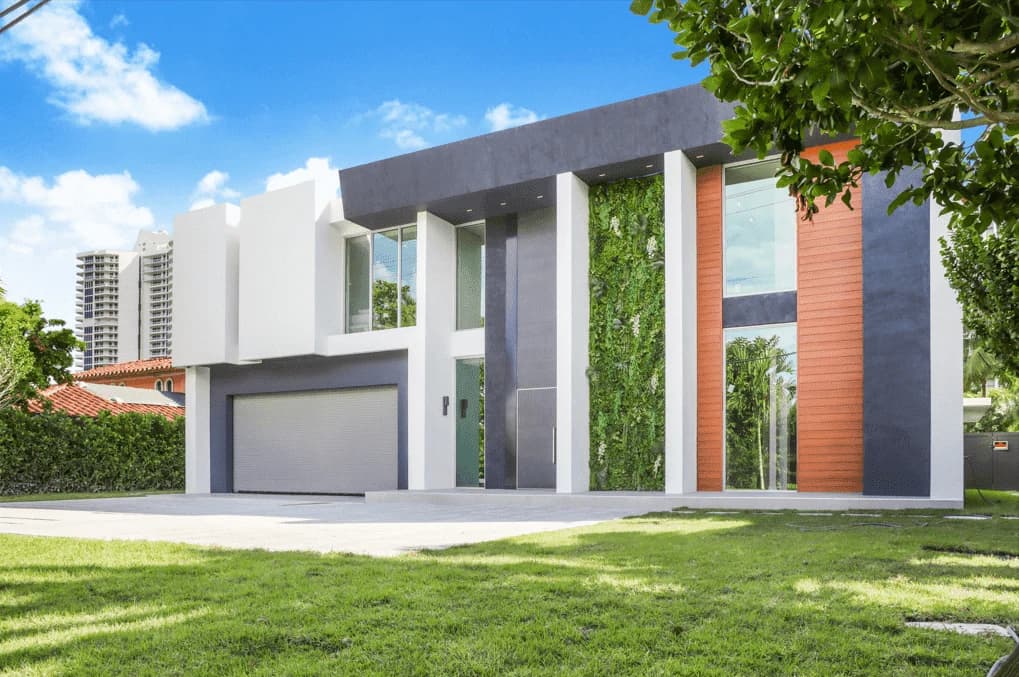
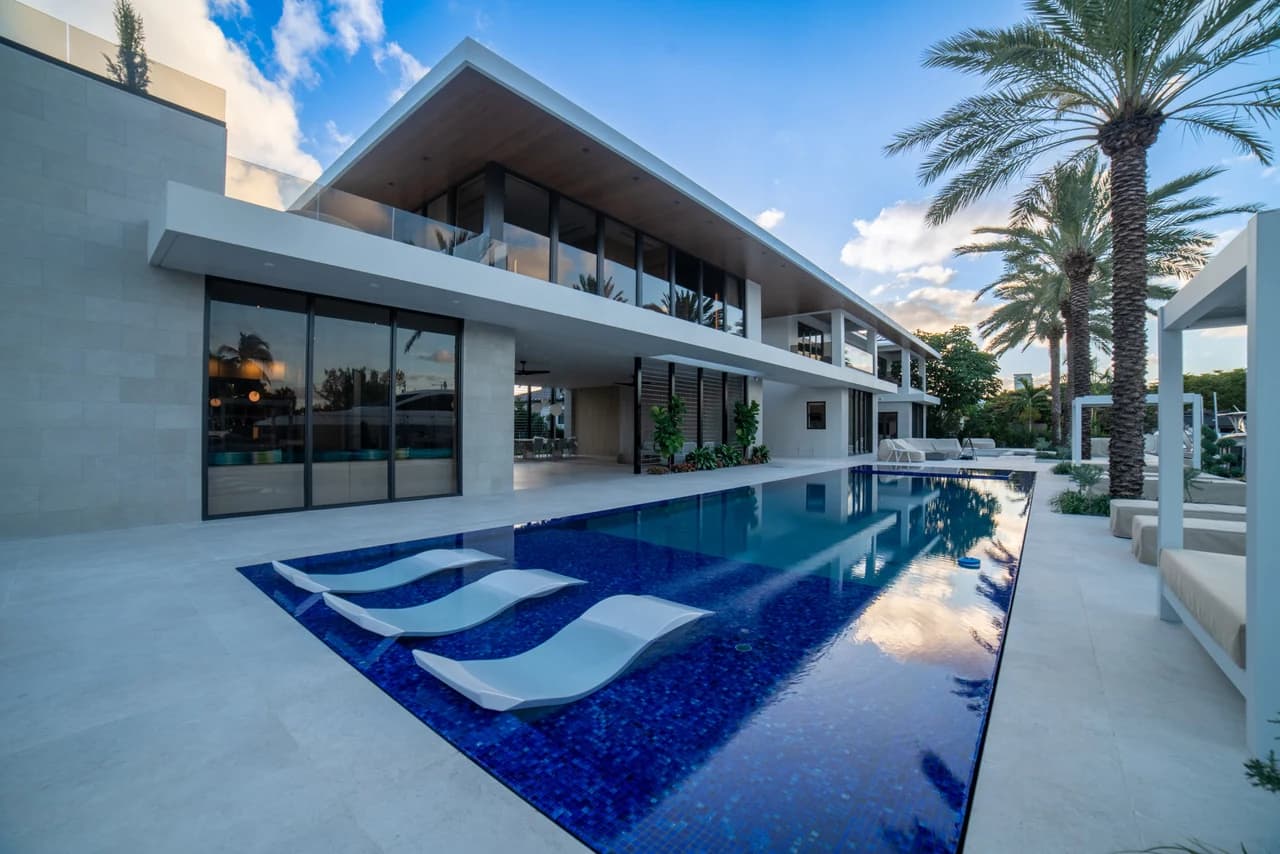
Mariano Barreto has more than 25 years of construction experience, and Barretos Constructions builds custom homes in South Florida, with documented projects in Hallandale Beach and Miami Shores, including waterfront residences and a waterfront addition. Mariano stays involved throughout the homebuilding process. We communicate in English and Spanish.
We encourage you to check the license, insurance and references of any builder you consider, and that includes us. If you would like to talk about your project, contact Barretos by phone, WhatsApp or email from the contact page. Bring the property address and whatever drawings or ideas you have, and we will tell you how we would approach it and what we would want to confirm first.
Frequently asked questions
How do I check a Florida contractor’s license?
Go to the DBPR website at myfloridalicense.com and search by name, business or license number. Check that the license is active, that the category fits residential construction, that it belongs to the company on your contract and whether there are any complaints or disciplinary actions.
What insurance should a custom home builder have?
Ask for current certificates showing general liability coverage and workers’ compensation, or a valid exemption, delivered directly from the insurance agent. Ask who carries builder’s risk insurance during construction and how subcontractors are insured. Your own agent or attorney can help you review them.
Is a fixed-price or a cost-plus contract better?
It depends on how complete your design is and how much risk you want to carry. Fixed price gives certainty for a well-defined scope. Cost-plus offers transparency and flexibility but needs a target or maximum price and open-book accounting so costs stay visible.
What is a change order?
A written agreement that adds, removes or alters work, and states the effect on price and schedule. It should be signed before the work is done. Ask how the builder prices changes and who approves them.
How many builders should I interview?
Two to four serious conversations are usually enough to compare approach and communication. Give each the same information and compare the proposals line by line rather than by the total alone.
Can I work with a builder in Spanish?
Yes, if the builder’s team can handle project communication in Spanish. Confirm this early, including whether written updates, selections and key documents can be reviewed in Spanish, so every decision-maker understands what they approve.