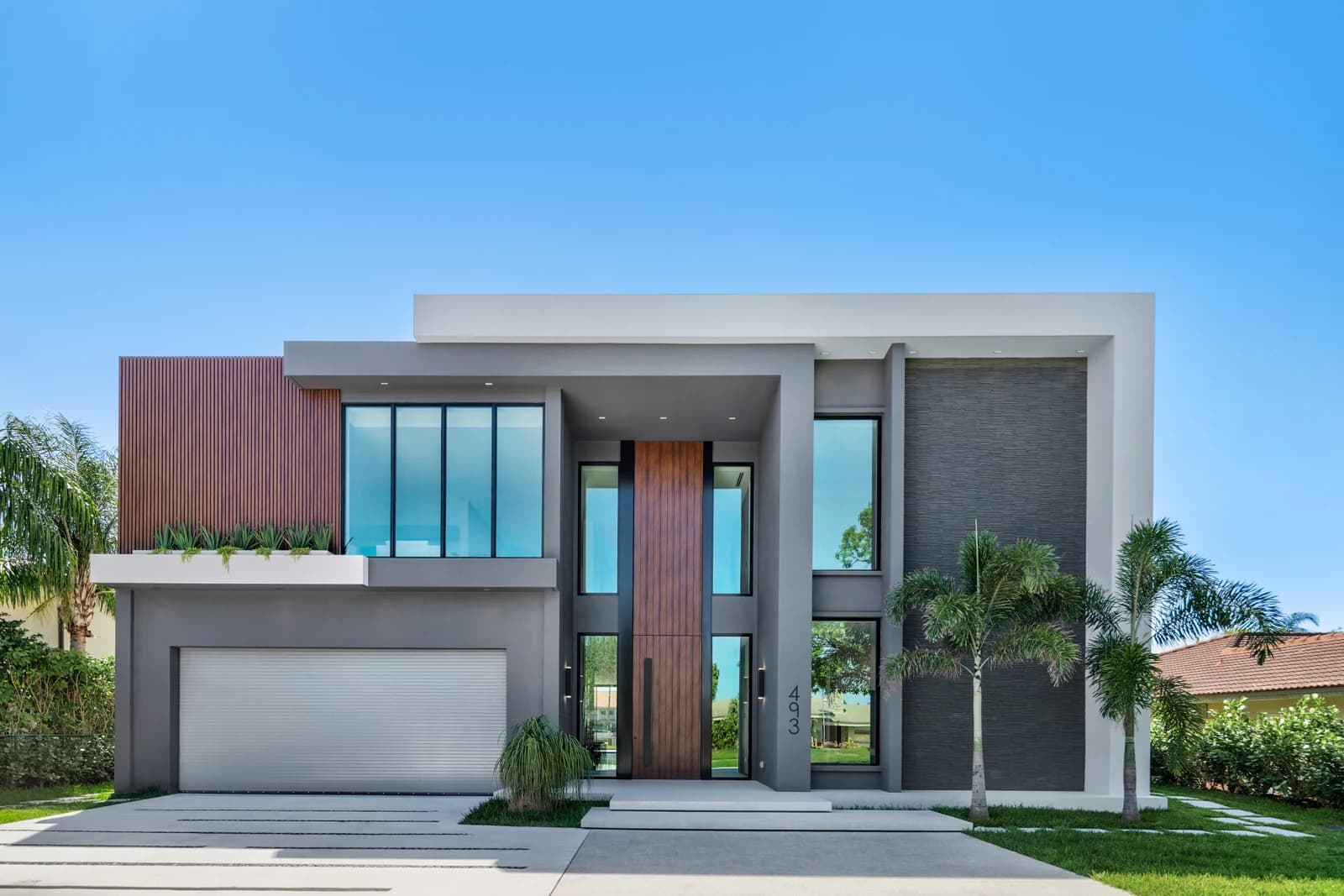
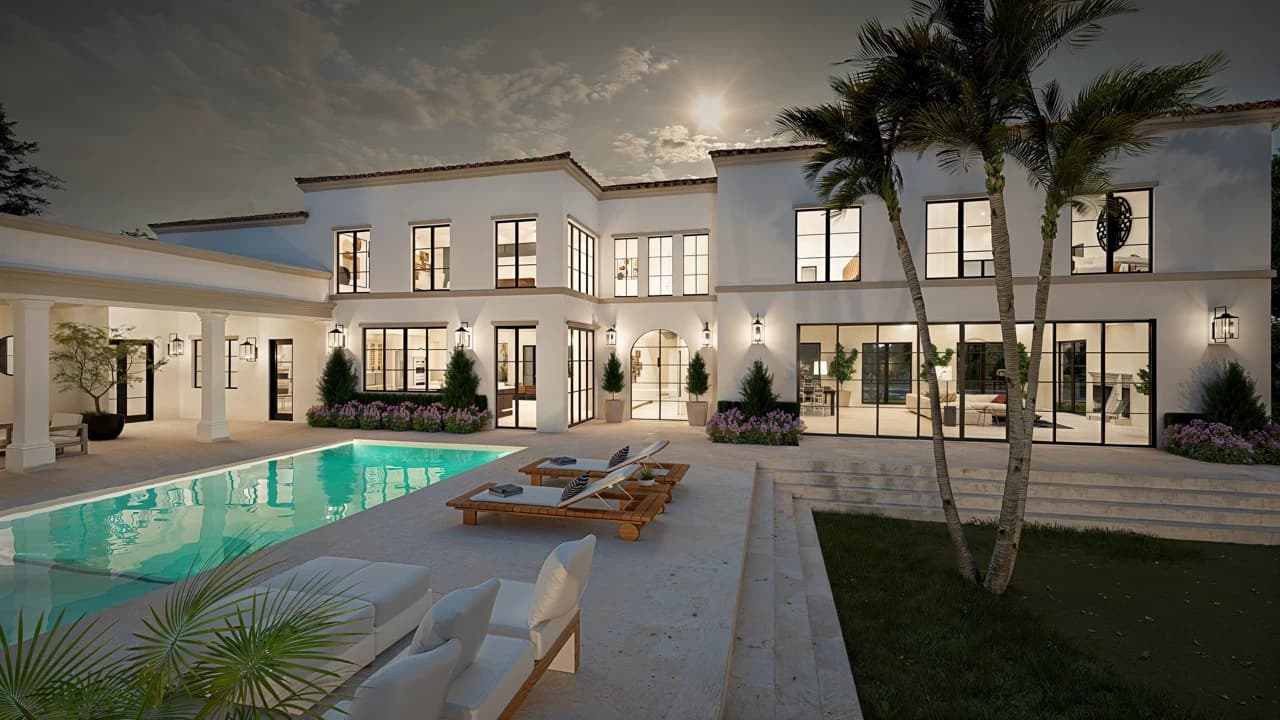
Buying a New-Construction Home vs. Building a Custom Home in South Florida
If you want a new house in Miami-Dade or Broward, you have two real routes: buy one that a developer has built or is building, or build your own on a lot you choose. Neither is better in general. Buying new construction is usually faster and easier to picture, while a custom build gives you control over the design, the site and the details, at the price of more decisions and more time. This guide compares them on the points that matter, and lists what to inspect and ask if you buy.
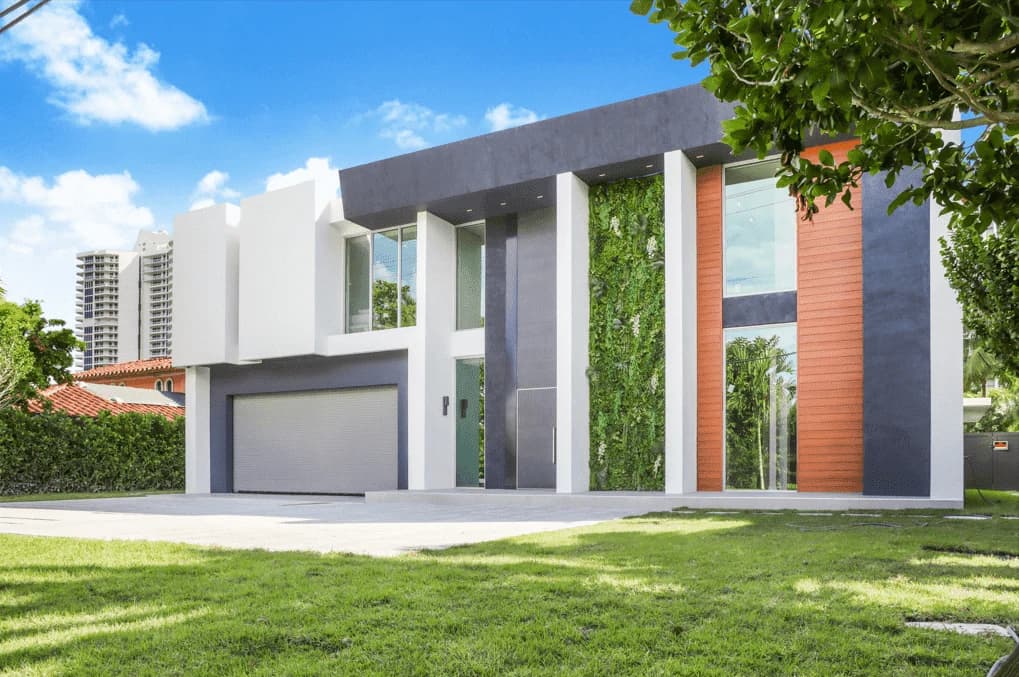
Two routes, one question: what matters most to you?
Most people who compare these options are really weighing control against convenience. A new-construction home from a builder or developer lets you see the layout, the finishes and the location before you commit. A custom home lets you decide how the house sits on the lot, how it relates to the water or the garden, how big each space is and what is behind the walls.
Be specific about your priorities. If your top concerns are a certain neighborhood, a school, a short move-in timeline or a house you can evaluate in person, new construction may serve you better. If your concerns are a particular architectural character, a large lot, a family layout that does not exist on the market or outdoor living designed around your habits, custom building usually is the only way to get exactly that.
It also helps to decide how much of the process you want to own. Building custom is a project with design, permits, selections and construction phases. Some owners enjoy it; others prefer to receive a finished home.
Control: what you can and cannot change
In a custom build, you decide almost everything: the architect, the layout, ceiling heights, the amount of glass, the structure, the mechanical and automation systems and the materials. You can also design for your specific lot, including its orientation to the sun and the water, its flood elevation and its privacy.
When you buy a home that is already designed, the big decisions are made. If the home is still under construction, some developers let buyers choose finishes within a defined menu, such as flooring, countertops or fixtures, but structural layout and systems are usually fixed. Ask what can still be changed, how much it costs and whether changes are documented in writing and added to the contract.
Remember that control also means responsibility. A custom home puts more decisions on your calendar and more weight on the quality of the drawings, so the process works best when you have an architect and builder you trust and a clear way to approve changes.
Timeline and cost certainty
A completed house has a known price and a closing date. A house under construction has a price and an estimated delivery that depends on the developer’s schedule, permits and inspections, so ask what happens if delivery is delayed and what the contract says about it. In both cases, make sure that anything you were promised verbally appears in the contract.
A custom build takes longer because it includes design, engineering, municipal permit review and product lead times before construction even begins, and then the construction itself. We do not give a month count here because it changes with the size, complexity, municipality and site conditions, and any number given without those facts is a guess. A responsible builder gives you a schedule for your specific project with the assumptions behind it.
Cost certainty depends on how complete the documents are. A custom home contracted from complete drawings, with explicit allowances and a defined contingency, can be managed with confidence. One contracted from a concept leaves much open. Our guide to the cost of a custom home explains what moves the budget. If you want a firm price quickly and the home is ready to see, buying new is simpler.
Lot availability in South Florida
In the established neighborhoods people most want, such as waterfront streets in Hallandale Beach or the older residential areas of Miami Shores, vacant lots are scarce. Many custom homes begin with an existing house that is demolished, or with two adjoining lots combined. The Miami Shores villa design at 1080 NE 96 Street, for example, was conceived for a double lot.
A lot is not just land; it is a set of rules. Zoning, setbacks, height limits, lot coverage, flood zone and, in some places, historic or design review determine what you can build and how large. Before buying a lot or a teardown, ask a builder or architect to review what is allowed and what the site will require, because the answer can change the value of the property to you.
New-construction homes from developers sit on lots that already went through that process, which is part of their convenience. They are concentrated where developers can assemble land, so your choice of street may be narrower.
What to inspect when you buy new construction
A new house is not automatically a perfect house. Hire an independent inspector who is not connected to the seller, ideally one with experience in new South Florida homes, and consider a structural or engineering consultant for a larger or more complex property. If you can, inspect at stages, such as before drywall closes the walls, and not only at the end.
Ask for and review the paperwork. The municipality’s building department issues a certificate of occupancy or equivalent final approval when a new home passes its final inspections, and you should confirm it is in place and that all permits are closed. Ask for the final survey, the elevation certificate where relevant for flood insurance, and the product approvals or notices of acceptance for impact windows, doors and roofing.
- Windows and doors: operation, seals, hardware, and labels matching the approved product.
- Roof: workmanship at edges, penetrations, valleys and flashing; ask for the roof documentation.
- Moisture: stucco and sealant details, grading and drainage around the house, any staining or odor indoors.
- Air conditioning: sizing, drainage, duct insulation, and the manufacturer documentation.
- Electrical and plumbing: panel labeling, fixtures, water pressure and leaks under sinks.
- Pool and outdoor areas: equipment access, drainage and safety barriers.
- Wind mitigation and flood information that your insurance agent will want.
Warranties and questions to ask a builder or developer
Warranties vary, so ask to see the actual document before you sign. A written builder warranty states what is covered, for how long, what is excluded and how to submit a claim. Manufacturer warranties on windows, roofing, appliances and equipment are separate. Florida law provides certain protections for new construction, and a real estate attorney can explain which apply to your purchase and how the contract treats them.
Before you commit, ask the questions below, and have your attorney review the contract, including deposits, escrow, delivery dates, change provisions and what happens if the project is delayed.
- Who is the licensed contractor of record, and can you verify the license on the state’s DBPR website?
- Which homes has the builder or developer completed, and can you visit or speak with owners?
- What is included in the price, and what are allowances, upgrades and exclusions?
- What warranties apply, in writing, and who responds to service requests after closing?
- How are deposits held, and what are your rights if the schedule slips?
How Barretos can help
Barretos combines construction experience, with Mariano Barreto bringing more than 25 years in the field, and development and property knowledge in South Florida. Our documented projects are in Hallandale Beach, including the Golden Isles waterfront residences and a multifamily residential development, and in Miami Shores. We discuss property and development opportunities as well as custom homes.
If you are deciding between buying and building, tell us what you are weighing. We can talk through what a custom build would involve on a specific lot, or what to examine in a property you are considering. For current opportunities, contact Barretos by phone, WhatsApp or email from the contact page.
Frequently asked questions
Is it cheaper to buy new construction or build a custom home?
Neither is always cheaper. A finished home has a known price, but you pay for the developer’s land, design and margin, and you accept their choices. A custom home lets you allocate budget where you care most, but the total depends on the lot, scope and finishes. Compare equal programs: same area, finish level and outdoor features.
Which is faster?
Buying a completed home is typically faster, and buying one under construction depends on the developer’s schedule. A custom build includes design, permits and construction, so it takes longer. Because durations vary with the site and municipality, ask for a project-specific schedule rather than a general estimate.
Should I get an inspection on a brand-new home?
Yes. New homes can have construction defects, incomplete work or missing documents. Hire an independent inspector and, for larger homes, consider an engineer. Staged inspections during construction can catch problems before they are covered by finishes.
What documents should I ask for when buying new construction?
At least the certificate of occupancy or final approval, closed permits, the final survey, product approvals for windows, doors and roofing, warranty documents and, where relevant, the elevation certificate. Your attorney and insurance agent can tell you what else to request.
Can I find a lot to build a custom home in Miami or Broward?
Yes, but in established neighborhoods lots are limited, so many people buy a house to demolish or combine adjoining lots. Have an architect or builder review zoning, setbacks, height limits and flood requirements before you buy so you know what the lot can hold.
Does Barretos have homes for sale?
Barretos discusses property and development opportunities in South Florida. Availability changes, so please contact the team for current information about a specific opportunity.